Team working in an industrial warehouse discussing and organizing inventory with pallets.
|

Secure File Exchange for Supply Chain Partners

Introduction Modern supply chains rely heavily on digital collaboration between: Every day, organizations exchange sensitive business files containing: As global supply chains become more interconnected, cybercriminals increasingly target supply chain data exchange systems. Recent cybersecurity threats affecting supply chain operations include: A single compromised transfer can expose: Many organizations still rely on insecure transfer methods…

Close-up of network cables and ports in a server rack, showcasing connectivity.
|

Risks of Using Public File Sharing Platforms

Introduction Modern businesses exchange sensitive data every day with: These files often contain: To simplify collaboration, many organizations use public file sharing platforms or consumer cloud-sharing services. While these platforms may appear convenient, they often create major cybersecurity and compliance risks when used for sensitive business operations. Cybercriminals increasingly target public file-sharing systems using: A…

A modern server room featuring network equipment with blue illumination. Ideal for technology themes.
|

How to Share Sensitive Files with Vendors Securely

Introduction Modern businesses depend heavily on vendors, suppliers, payroll providers, healthcare partners, financial institutions, cloud providers, and third-party service organizations. Every day, organizations exchange sensitive business data including: As digital collaboration expands, cybercriminals increasingly target vendor file exchange workflows. Common cybersecurity threats affecting vendor file sharing include: A single compromised vendor transfer can expose: Unfortunately,…

Close-up view of modern rack-mounted server units in a data center.
|

How Enterprises Manage Third-Party Data Transfers

Introduction Modern enterprises rely heavily on third-party vendors, cloud providers, financial institutions, healthcare systems, payroll processors, logistics companies, and managed service providers. Every day, organizations exchange sensitive business information including: As enterprise ecosystems grow, managing third-party data transfers securely has become a critical cybersecurity and operational challenge. Cybercriminals increasingly target third-party data exchange workflows using:…

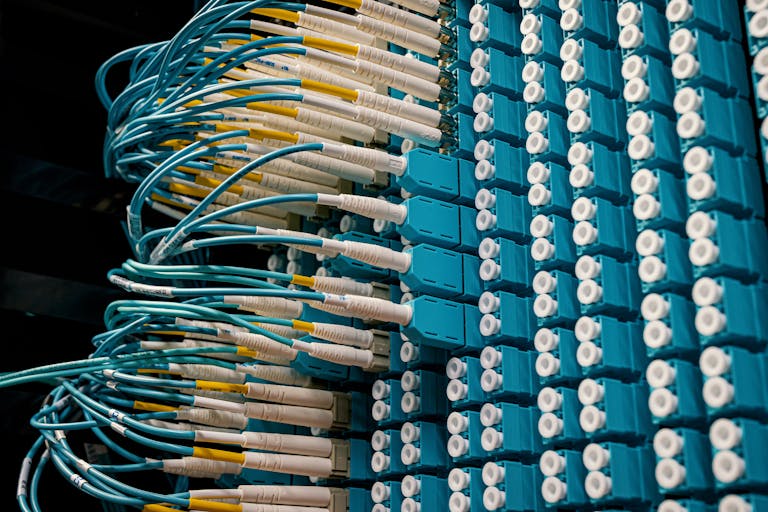
Detailed view of fiber optic patch cables connecting to a blue patch panel in a data center.
|

Compliance Requirements for Vendor Data Transfers

Introduction Modern businesses rely heavily on vendors, suppliers, banks, healthcare partners, payroll providers, cloud platforms, and third-party service providers. Every day, organizations exchange sensitive files containing: As organizations become more interconnected, regulatory and cybersecurity requirements surrounding vendor data transfers continue to increase. Cybercriminals increasingly target third-party data exchange workflows using: A single insecure vendor transfer…

From above contemporary server cable trays without wires located in modern data center
|

Best Practices for Secure Vendor File Exchange

Introduction Modern businesses rely heavily on vendors, suppliers, payroll providers, financial institutions, healthcare partners, cloud platforms, and third-party service providers. Every day, organizations exchange sensitive business data including: As vendor ecosystems expand, cybercriminals increasingly target vendor file exchange systems. Common cybersecurity threats affecting vendor data transfers include: A single compromised vendor transfer can expose: Unfortunately,…

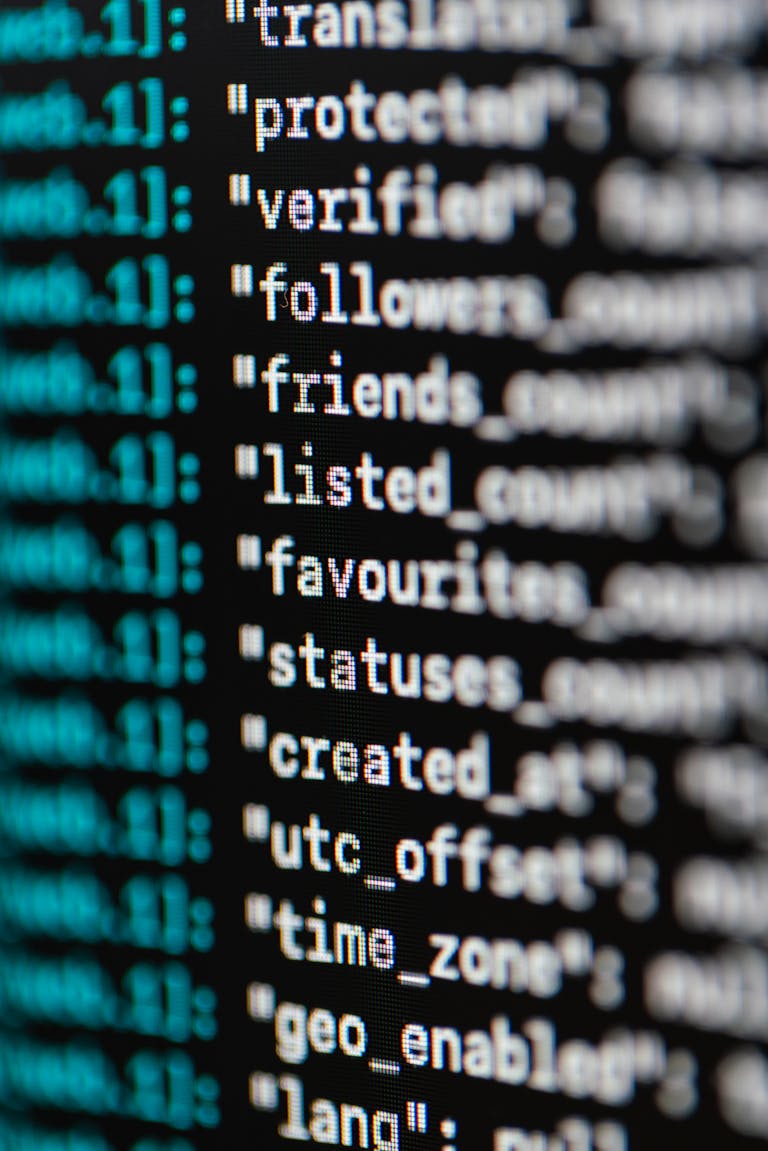
Extreme close-up of computer code displaying various programming terms and elements.
|

PGP Encryption Best Practices for Financial Institutions

Introduction Financial institutions process and exchange enormous volumes of sensitive data every day. Banks, treasury departments, payroll providers, insurance companies, healthcare organizations, and enterprise finance teams rely heavily on electronic file transfers for ACH transactions, wire processing, vendor payments, treasury reporting, and operational workflows. Because these files often contain highly confidential financial information, they are…

Vibrant green numbers on a computer screen, showcasing binary code and data streams.
|

How to Secure Vendor Data with PGP Encryption

Introduction Modern businesses depend heavily on third-party vendors, suppliers, payroll providers, healthcare partners, cloud platforms, logistics companies, and financial institutions. Every day, organizations exchange sensitive files containing confidential business information, financial transactions, customer records, healthcare data, payroll details, and operational reports. As vendor ecosystems continue to grow, secure file transfer has become a critical cybersecurity…

Close-up of hands typing on a laptop displaying cybersecurity graphics, illuminated by purple light.
|

How PGP Encryption Protects Sensitive Files in Modern Enterprise Environments

Introduction Organizations today exchange enormous volumes of sensitive digital information every day. Banks transfer ACH and treasury files, healthcare organizations share protected patient information, enterprises exchange vendor and payroll data, and government agencies transmit confidential records across multiple systems and partners. Unfortunately, cyber threats targeting file transfers continue to increase. Ransomware attacks, credential theft, insider…

Close-up of multicolored code on a computer screen, highlighting programming.
|

File Encryption for Banks: Why Financial Institutions Must Protect Sensitive Data

Introduction Banks and financial institutions process enormous amounts of sensitive information every day. From ACH payment files and wire transfers to customer account records and treasury reports, financial data moves constantly between internal systems, vendors, clearinghouses, and business partners. As cyber threats continue to rise, protecting this information has become one of the most important…