A laptop showcasing colorful code in a dark environment, ideal for tech or programming content.
|

Why SMBs Should Move from FTP to Managed SFTP

Introduction Small and medium-sized businesses (SMBs) are increasingly becoming targets for cyberattacks, ransomware, and data breaches. At the same time, businesses are exchanging more sensitive data than ever before, including customer information, financial records, vendor documents, payroll files, and healthcare data. Despite these growing risks, many SMBs still rely on outdated FTP (File Transfer Protocol)…
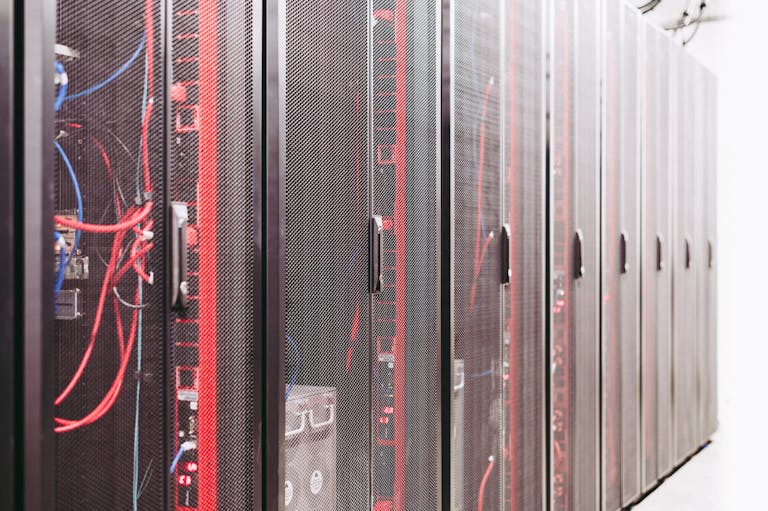

System with various wires managing access to centralized resource of server in data center
|

What Is Managed SFTP and Why Enterprises Need It

Introduction In today’s digital business environment, organizations exchange sensitive files every day. Financial reports, ACH payment files, healthcare records, customer information, payroll data, and vendor documents are constantly moving between systems, partners, and departments. As cyber threats continue to increase, businesses can no longer rely on outdated or insecure file transfer methods. This is where…

Detailed view of a cryptocurrency mining software interface displaying real-time data on a computer monitor.
|

Reducing Operational Risk with Managed SFTP

Introduction Modern businesses depend heavily on secure file transfers to support daily operations. Financial institutions exchange ACH and payment files, healthcare organizations transfer patient information, manufacturers share vendor data, and enterprises move confidential business documents between internal and external systems. As file transfer volumes increase, organizations face growing operational risks that can impact security, compliance,…

A modern server room featuring network equipment with blue illumination. Ideal for technology themes.
|

Managed SFTP vs In-House File Transfer Servers: Which Is Better for Your Business?

Introduction Organizations today rely heavily on secure file transfers to exchange sensitive information with banks, vendors, customers, healthcare providers, government agencies, and internal systems. From ACH payment files and payroll data to healthcare records and confidential business documents, file transfers are now a critical part of daily operations. As cybersecurity threats increase and compliance requirements…

From above contemporary server cable trays without wires located in modern data center
|

How Banks Use Managed SFTP for ACH and Payment Files

Introduction Banks and financial institutions process millions of sensitive financial transactions every day. From ACH transfers and payroll deposits to Positive Pay files and treasury reports, secure data exchange plays a critical role in modern banking operations. As cyber threats targeting financial systems continue to grow, banks must ensure that sensitive payment files are transmitted…

Close-up of tower servers in a data center with blue and red lighting.
|

Disaster Recovery Planning for Managed File Transfer Systems

Introduction In today’s digital business environment, secure file transfers are critical to daily operations. Financial institutions exchange ACH and payment files, healthcare organizations transmit patient records, retailers process vendor transactions, and enterprises move sensitive data between systems and business partners around the world. For many organizations, Managed File Transfer (MFT) systems are no longer optional…

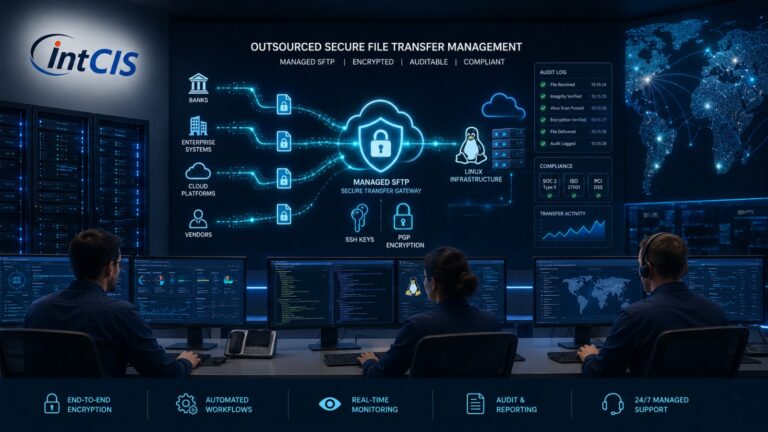
Benefits of Outsourcing Secure File Transfer Management
|

Benefits of Outsourcing Secure File Transfer Management

Introduction Businesses today exchange massive amounts of sensitive information every day. Financial institutions transfer ACH and payment files, healthcare organizations share patient records, retailers exchange vendor data, and enterprises move confidential reports between internal systems and external partners. As cybersecurity threats continue to grow, organizations are under increasing pressure to protect sensitive data during transmission…

24×7 Monitoring for Business-Critical File Transfers
|

24×7 Monitoring for Business-Critical File Transfers

Introduction In today’s digital business environment, organizations depend heavily on secure and reliable file transfers to support daily operations. Financial institutions process ACH and payment files, healthcare organizations exchange patient records, retailers synchronize vendor transactions, and enterprises move confidential business data between internal systems and external partners. Many of these file transfers are mission-critical. If…